
If you’ve ever experienced heartburn, you know how painful it can be. Acid reflux is a common issue in pregnancy; causing pain, loss of sleep, constant coughing, and many other problems. Today we will discuss several different ways to deal with heartburn while pregnant.
Some women experience heartburn in the first trimester, while others aren’t bothered by it until the third trimester. Some women never experience it at all. But for those who do, it can be an unbearable nuisance.
Whether you experience heartburn daily or only on occasion, it’s a great idea to have a few natural remedies in your pocket to help relieve it when it comes.
What does heartburn feel like?
Acid reflux can feel like pain or burning in your chest, your throat, and can make you feel nauseous. Heartburn can cause you to feel like you need to burp often and make you feel bloated.
Some women feel it exclusively in their chest while others feel it in their throat. Either way, it’s an incredibly unpleasant experience.
What causes heartburn?
The good news about heartburn is, it has nothing to do with your heart. Acid reflux occurs when your stomach acid moves from your stomach up to your esophagus. The muscle between your esophagus and stomach (your lower esophageal sphincter or LES) is what opens to allow food to pass to your stomach, and closes so that acid doesn’t travel back up your esophagus. If the LES doesn’t close properly, the acid can move upward, causing heartburn.
Why is acid reflux so common in pregnancy?
More than half of pregnant women experience heartburn. There are several reasons why pregnancy can induce acid reflux.
A few reasons are:
- Your changing hormones
Progesterone and relaxin can cause the muscles in your esophagus to relax. This allows your stomach acid to move back upward. Hormone changes can also slow down your digestive system. As food moves slowly through your digestive tract, it can cause bloating and heartburn.
- You’re growing uterus
When y”[.’our baby grows, your uterus also grows. As your uterus gets larger, it pushes your stomach upward and out of the way. This puts pressure on your stomach causing its contents to rise into your esophagus. This is why heartburn is much more common during the third trimester. The more crowded your stomach gets, the more your stomach acid gets pushed upward.
- Changes in your bowel movements
Constipation can also contribute to heartburn. If your body is not being flushed out regularly, it can cause things to get backed up. Just like your stomach gets crowded from your uterus pressing on it, it can also get crowded if things are backing up. Going to the bathroom regularly will help to relieve some of the pressure on your stomach.

Can heartburn harm my unborn baby?
In short, the answer is no. However, be sure to mention any types of aches or pains (including heartburn) to your doctor. While heartburn does not usually effect a growing baby, it can affect you. Your health could intern affect the health of your baby.
Make sure to immediately contact your doctor if your reflux includes blood in your vomit or stool, if you have trouble swallowing, if you’re losing weight, or if your heartburn keeps you up at night.
Also, be sure to check with your doctor before taking any kind of pain reliever (such as Tylenol or aspirin) or anti-acid (such as Tums or Maalox).
(I will give some natural remedies in a moment)
Can I prevent acid reflux in pregnancy?
If you are prone to heartburn or you’ve already started experiencing it while pregnant, there may be no way for you to avoid it. However, you can certainly try some things that may help!
Here is a list of some changes you can make to your daily routine:
- Sit straight up when you eat
- Drink often between your meals, but not with your meals
- Eat several small meals throughout the day consisting of protein and carbs
- Limit your caffeine intake
- Don’t eat late at night
- Avoid spicy, fatty, fried foods, citrus fruits, and citrus juices
- Don’t lay down right after eating
- When you go to sleep, keep your upper body slightly elevated
- Try to relax your body often
- Wait 2 to 3 hours after eating before lying down
None of these methods are guaranteed to fix things, however they may help improve your symptoms.
Here are some natural remedies to help soothe heartburn.
- Apple cider vinegar: (make sure it’s pasteurized) Mix 1-2 tablespoons of ACV into 8oz of water and drink it before and after meals. The acidity in the ACV should help neutralize the acid in your tummy. If you can’t drink it in water, try cooking it into something, like this bone broth.
- Probiotics/Prebiotics: many people swear by yogurt and kefir as it contains both pro and prebiotics. These can help tame the fire in your stomach acid.
- Fresh ginger: Ginger is an anti-inflammatory food. it may help prevent your stomach acid from traveling up your esophagus. It can also help with nausea that can lead to heartburn.
- Chiropractic care: chiropractic adjustments can sometimes shift the esophageal valves into a better working position. This relaxes the LES muscle and helps prevent your stomach acid from making its way back up.
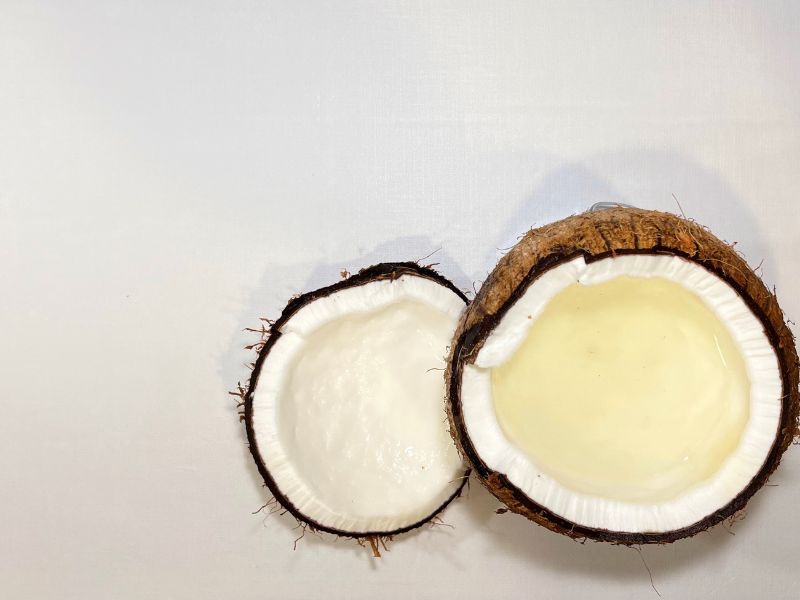
- Coconut water: coconut water is high in alkaline minerals like potassium. it can promote pH balance and can act as a great natural acid neutralizer. It also contains electrolytes which will keep you hydrated. Win-win!
- Sip plain water or lemon water: gulping large amounts of water all at once may irritate your stomach and cause more acid reflux. Sipping small amounts of water throughout the day is a great way to avoid that. Also, lemon water will add electrolytes and help soothe your stomach at the same time.
- Honey and tea: drinking a warm tea will calm your body and reduce your stress levels. A calm body=a calm tummy. Honey can help to reduce inflammation in the esophagus. Honey’s texture also allows it to coat your esophagus. This can contribute to longer-lasting relief. (Make sure your honey as been pasteurized and you only drink teas approved by your doctor)
Note: Many people believe that drinking warm milk will help your heartburn to subside. I do not feel that this is helpful or true. And here is why; processed milk is full of sugar and saturated fats. Both of those ingredients lead to inflammation in the body. Our bodies struggle to assimilate processed milk (which is why milk allergies are so common) which can lead to added stress on your digestive system.
Added (unnecessary) stress on your digestive system, extra sugars, and inflammatory oils can actually CAUSE acid reflux. This just adds an issue to an issue. It may help to drink the milk at first, but it will most likely bother your stomach after an hour or two. If you buy/drink raw, unprocessed milk, that is perfectly fine! Your body wont struggle to digest raw milk as much. But plain milk from the store? I wouldn’t.
Heartburn typically subsides when your baby is born. Your uterus moves away from your stomach and stops pushing things upward. If you continue to experience acid reflux after you pregnancy ends, talk to your doctor. They may be able to help you decide whether or not your continued symptoms are related to hormonal shifts or stress.
Hopefully something here will help you ease your discomfort. There is no tried-and-true method to easing heartburn in pregnancy. Sometimes it can feel completely discouraging to battle stomach/throat pain all the time. All you can do is your best. No matter what, you won’t be pregnant forever! Nothing heals pregnancy aches and pains like holding your newborn in your arms for the first time! You can do it! 🙂
Disclaimer: All content and media on the Creating a Better Birth website is created and published online for informational purposes only. It is not intended to be a substitute for professional medical advice and should not be relied on as health or personal advice. Always seek the guidance of a qualified health professional with any questions you may have regarding your health or a medical condition. Never disregard the advice of a medical professional, or delay in seeking it because of something you have read on this Website.
If you think you may have a medical emergency, call your doctor or call emergency services. If you choose to rely on any information provided by Creating a Better Birth, you do so solely at your own risk.