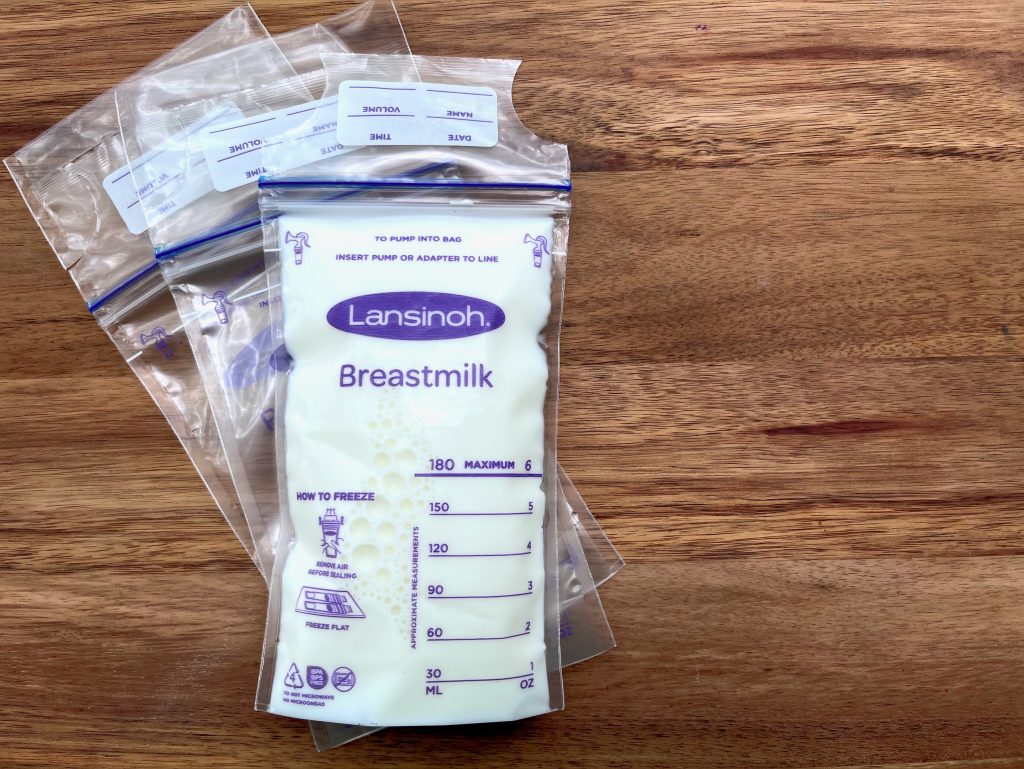
At some point in your breastfeeding journey, many women run into milk supply issues. This is with normal and common! Some women are able to constantly make enough milk for their baby while others struggle to maintain an adequate supply. Other women desire to have an over supply so they are able to both breastfeed and store extra milk. Some women experience a significant dip in their supply around six weeks to three months postpartum due to a hormone shifts, the use of birth control, the onset of teething, and many other factors. No matter what the issue/reason, it’s important that you know that all hope is NOT lost! There are many ways to increase your supply as well as combat hormone shifts, stress, and other milk reducing factors.
In today’s post, we will cover the method of power pumping. When it comes down to it, there are many things that can help to increase your milk supply, but one of the best is power pumping.
What is power pumping?
Power pumping is a method of breast pumping that mimics a baby’s cluster feeding. Throughout your day, breastmilk is constantly being produced so that your breasts or never truly empty. Around six weeks to three months after you begin to breastfeed, your milk supply evens out and your supply is then based on demand. As milk is being removed from your breast, more milk is being made to replace what’s been taken out.
Oxytocin (or the “love hormone”) triggers the let-down reflex and signals for milk to be released. Have you ever been around a crying baby (that wasn’t even yours) and your milk starting to leak? This is why. The release of oxytocin triggers your let-down and your body gets the signal to release milk. Breast stimulation (pumping or nursing) triggers the release of oxytocin.
The other hormone responsible for making milk is called prolactin. When your baby nurses, when you pump, or when you hand express milk, your prolactin levels rise and your body begins to make more milk. Your prolactin levels peak about 30 to 45 minutes after you begin a breastfeeding session. The more you nurse or pump, the more prolactin is triggered in your body. The same is true for waiting extended periods of time between pumping or nursing. Waiting for extended periods of time between nursing can tell your body that it doesn’t need as much milk. Therefore, it will slow down your milk production and your supply will begin to dwindle.
This is why power pumping works to increase your supply. More frequent nursing, or pumping keeps your body’s prolactin levels high, letting your body know it needs to make more milk.
What if I’m already not making very much milk?
At the beginning of your breastfeeding journey, your body tends to make more milk than what you need. When that production slows down a bit, many women panic thinking their supply is going down. This is when many women begin waiting longer periods of time in between breastfeeding. The thinking behind this is that their breasts are more full when they go to pump or nurse. This is very counterproductive, fuller breasts can actually mean slower milk production. Going less time in between feeds means your breasts are not as full, and your body gets the signal that it needs to make more milk to fulfill the needs of your baby.
When your breasts are emptied more frequently, the fat content of your milk is higher. The fat content of fuller breasts is actually much lower. When your breasts are less full, your body puts more effort into making your milk more nutrition dense. When your breasts are super full, your body focuses more on getting the milk out than making premium milk.
How to properly implement power pumping
The b beauty of power pumping is that it only needs to be done once a day to be effective. You can do it twice a day, but it’s really not necessary. If you find that you want to do it twice a day instead of once, go for it! You should notice a difference in your milk supply after power pumping faithfully for three days in a row. Be careful not to exceed power pumping for more than seven days in a row as your body can become reliant on this method to maintain a good supply.
(These instructions are intended for pumping both sides at once. If you’re only pumping one side at a time, try this method for a total of one hour on each breast.)
- Set aside a minimum of one hour to pump. Choose a calm space where you can relax and take the time you need to pump.
- Pump for 20 minutes and then take a 10 minute break.
- After your 10 minute break, pump for 15 more minutes.
- Take one more 10 minute break and then pump for another 10 minutes.
Even if nothing comes out, your body is still getting the signal that it needs to make more milk. If there is something coming out, you’re just thoroughly emptying your breasts and your body is still getting the signal that it needs to make more milk.
Additional things you can try
- Make sure all your pump parts are in good working condition and that they all maintain good suction during your pumping session.
- Make sure your flange size fits properly so that pumping is a comfortable experience and you can get the most out of your session.
- Stay hydrated and eat nutrient-dense snacks/meals. Dehydration can cause a significant drop in milk supply. Eating snacks and meals with no nutritional value can also contribute to a dip.
- Pumping a lot back to back can irritate the tissue in your breasts. Try lubricating your pump flanges with coconut oil or expressed breastmilk before each pumping session. This can help minimize friction between your flanges and help moisturize the area.
- Try to relax. Oxytocin is released when you enter a state of relaxation. Stress releases cortisol, which inhibits oxytocin. That’s why your milk supply can take a significant hit during a time of stress. Try to find a quiet space, power pump when your baby is napping, watch a show, listen to some music, put on a podcast. Whatever you need to do to relax will be very conducive to increasing your milk supply in the long run.
Don’t worry if you’re not making very much milk at first. Power pumping is all about the signals you’re sending to your body to make more milk. Even if you’re barely making anything, I would still encourage you to try the pumping schedule listed above for a minimum of three days. You might be surprised at how much more milk your body starts to make after that three day mark!
In conclusion,
Power pumping is an incredible tool to increase your supply when you need a little boost! Keeping your prolactin levels elevated by constantly emptying your breasts can raise your milk production 2 to 3 times. Patience and consistency almost always pays off when it comes to your milk supply.
If you try power pumping and it doesn’t seem to make any difference in your supply, consider adding breastfeeding supplements into your pumping routine. Snacking on lactation cookies or sipping on a lactation aid or breastfeeding friendly sports drink throughout the day can make a huge difference!
Don’t forget to consult your doctor or midwife before trying something new. They may have some suggestions that could help make power pumping even more effective for your specific needs.
I hope power pumping is helpful to you as you continue your breastfeeding journey. I’d love to connect with you if you need further help. Feel free to message me on Facebook or Instagram, or shoot me an email anytime!
Happy pumping!